
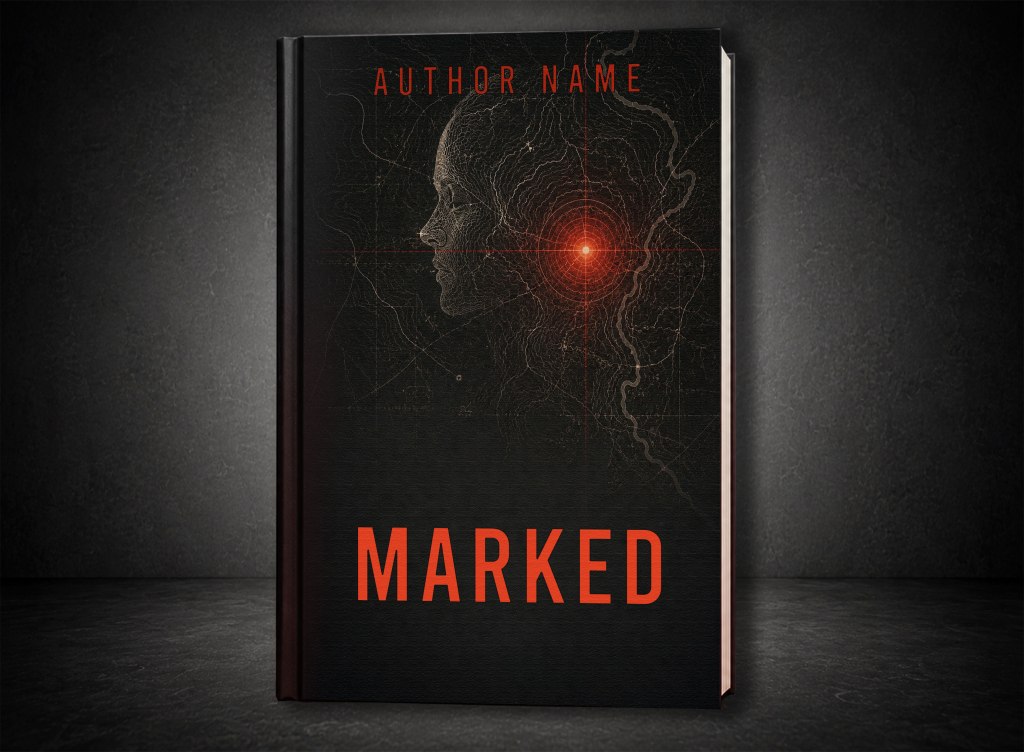
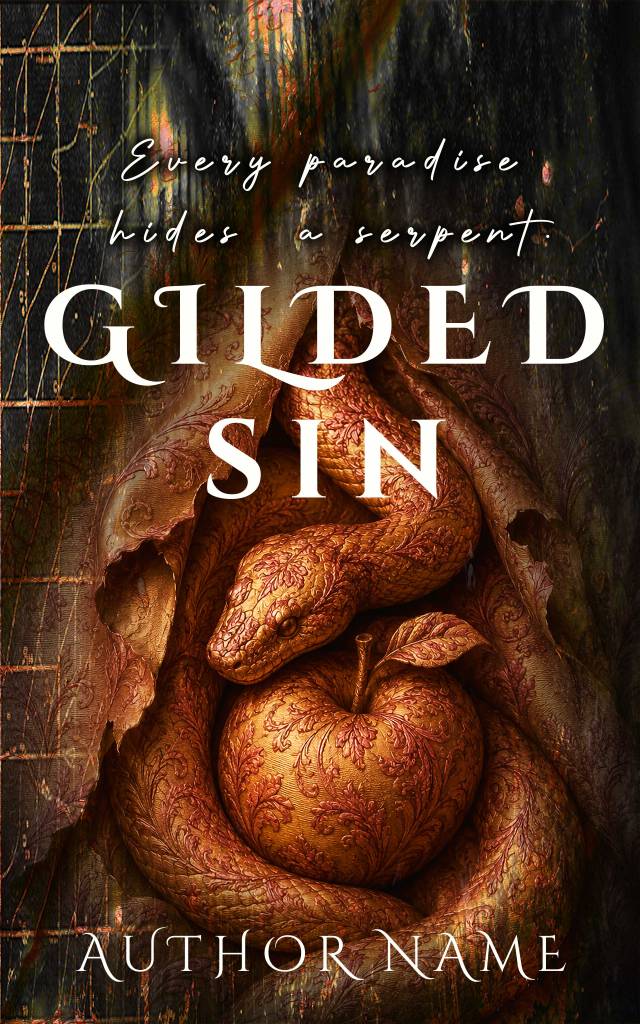
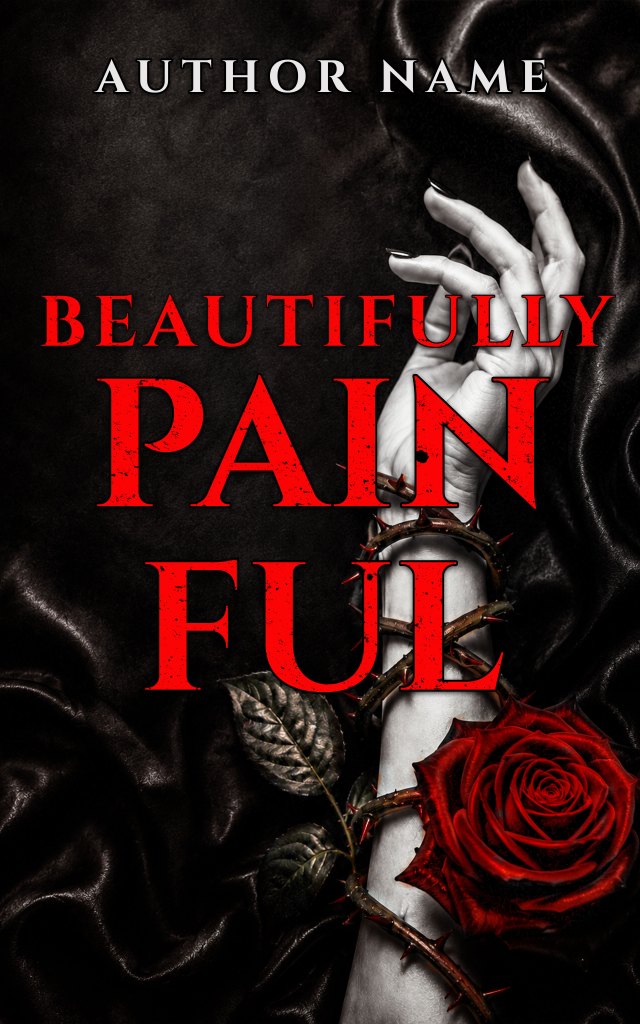
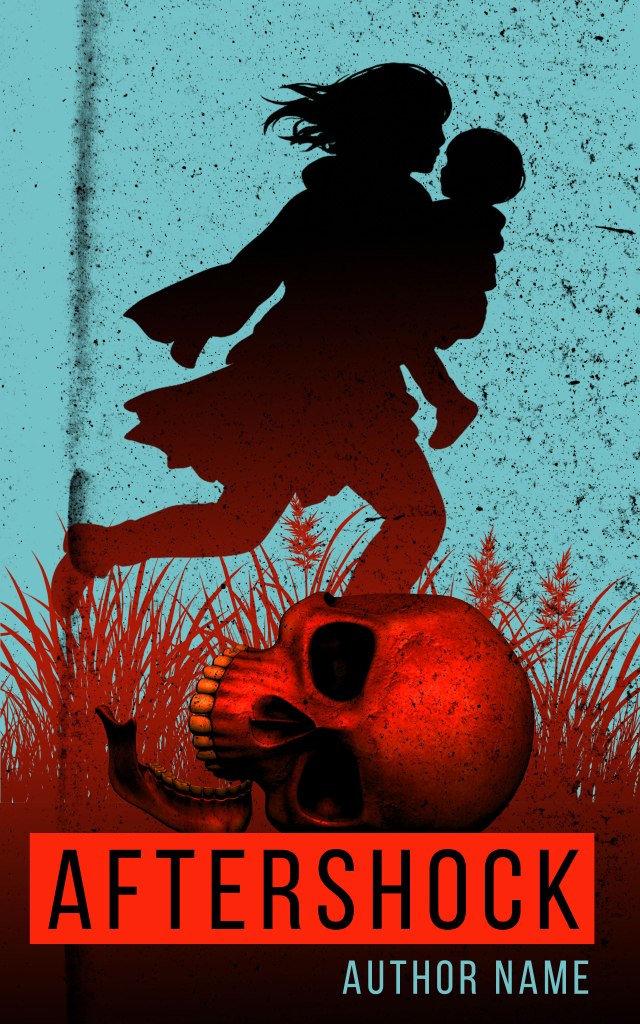
This cover is available as a premade design
When I signed up for a mentoring program, I genuinely believed I was about to unlock the secret level.
You know, like in video games. You complete all the quests, and then an NPC appears to hand you the legendary sword. In my mind, that sword was forged from high-paying clients, valuable connections, and the comforting promise of a stable income.
I honestly imagined that after a few weeks, my mentor would pull out a mysterious black notebook and say:
“Well, the time has come. Here are the phone numbers of the clients who pay well. Use them wisely.”
Spoiler alert.
There was no black notebook.
No secret door.
No initiation ceremony.
There was just me, my questions, and someone who genuinely wanted to help.
Before I paid for mentoring, I pictured the whole process working like an IKEA assembly manual.
Step 1: Find a mentor.
Step 2: Do exactly what they tell you.
Step 3: Success.
Maybe you’d have a couple of screws left over at the end, but let’s be honest—that always happens with IKEA furniture.
Reality, however, looked more like this:
Someone handed me a map with a big red X marked on it. I followed it all the way to the spot, only to find a tiny note waiting for me:
“Congratulations! From here on, you’re on your own.”
To be fair, my mentor was genuinely kind. Helpful. They answered my questions. I don’t feel like I was misled. Quite the opposite—I learned a great deal.
Just not what I expected.
Ironically, the most valuable lesson had nothing to do with the reason I signed up in the first place. Instead, I learned how to bring my artistic work together into a coherent portfolio. Looking back, that was probably far more valuable than the answers I thought I was searching for.
Maybe I simply chose the wrong mentor for the problem I was trying to solve.
Or maybe I brought the wrong question with me.
A mentor isn’t a recruitment agency.
A mentor isn’t a PR firm.
A mentor isn’t a wizard.
For some reason, though, nobody puts that in the fine print.
Personally, I think they should.
Warning: Using a mentor may cause unexpected side effects. You may discover that no one else can design your path for you. In rare cases, independent thinking may occur. This package does not include clients, industry connections, or instant success.
Then it occurred to me that maybe what I needed wasn’t a mentor at all.
Maybe what I needed was a manager.
Honestly, I think every artist could use one. Writers. Painters. Digital artists. Someone whose job isn’t to tell you how to create, but how to make sure the world discovers what you’ve created.
At one point, I even won a competition where the prize was support from an art manager.
I thought I’d finally made it.
Then I found out I’d have to pay for it.
Not because I expected anyone to work for free. A good manager’s work is incredibly valuable, and it’s perfectly reasonable to charge for it.
I just couldn’t wrap my head around the business model.
A real estate agent doesn’t knock on your door and say:
“Before I start selling your house, I’d like you to transfer my commission.”
They sell the house first.
Then they earn a percentage of the sale.
For some reason, I’d always assumed an art manager worked the same way.
After all, if they genuinely believe in my work, it’s in their interest to sell as many paintings—or books—as possible. I earn money. They earn money. Everybody wins.
Maybe that’s a naïve way to look at it.
Maybe the real world simply doesn’t work that way.
In fact, it probably doesn’t.
But when someone asks for money upfront with the promise that they’ll hopefully help sell my work, one question inevitably pops into my mind:
If they’re truly confident in their method… why aren’t they confident enough to live on commission?

Premade Book Covers – Find the perfect cover for your novel →
There may be a perfectly reasonable answer to that question.
I just haven’t come across it yet.
And perhaps that was the moment I started to understand something.
Maybe the problem wasn’t that I never found the right mentor.
And it wasn’t that I never found the right manager.
Maybe it was that the role I was looking for simply doesn’t exist—not in the way I imagined it.
At least not when you’re just starting out.
People are strange creatures.
We love believing that someone else has already figured life out. That somewhere, there’s a secret formula. A spreadsheet. A Google Drive folder called “Success_Final_v3.xlsx.”
Spoiler: there isn’t.
Because what worked for one person won’t necessarily work for you. What worked last year might prompt today’s algorithm to shrug and say:
“Yeah… let’s not do that anymore.”
And that’s when I had what was probably the most important realization of all.
These days, being an artist isn’t enough.
In fact…
Sometimes it feels like creating art is only one part of my job.
Everything else is self-management.
You have to learn marketing—not because it makes you a better artist, but because otherwise nobody will know you exist.
You have to learn the basics of accounting—not because every artist secretly dreams of becoming an accountant, but because, in the beginning, you can’t hire a professional every time a small question comes up.
You have to learn how to stay organized. Keep track of when you created each piece, which ones you’ve sold, which versions have been updated, and which ideas are still waiting patiently in line.
You have to become comfortable with different software, because if you only know half of a program, every task takes three times longer than it should.
You have to learn to plan.
To organize.
To prioritize.
And somehow, in the middle of all that…
…you still have to create.
Sometimes I feel like being an artist today is like fighting an eight-headed hydra.
Cut off one head, and three more appear.
SEO.
Bookkeeping.
Spreadsheets.
Pinterest.
And somehow, every single one of them needs feeding.
You can learn from other people.
You can listen to mentors.
You can read books.
You can take courses.
But those things only point in a direction.
The system that actually works for you is something you have to build yourself.
In the end, the greatest gift my mentor gave me wasn’t showing me the one true path.
It was helping me realize there isn’t one.
There is knowledge.
There is experience.
There is inspiration.
But every one of us has to carve our own trail.
I think that’s what should have been printed at the end of the contract—in six-point font.
“This product is not a substitute for firsthand experience. Users will eventually be required to think for themselves. The manufacturer accepts no responsibility for the joy—or frustration—of discovery.”
Continue the Conversation
If this story resonated with you, here are three more you might enjoy.
– The Secret to Success as an Artist? I Wish I Knew
I kept searching for the formula for success. Eventually, I realized there probably isn’t one.
– When Should You Give Up on Your Dreams?
The hardest questions rarely come with clear answers. This is one of them.
– How Am I Supposed to Write a Case Study When I Have No Idea How My Work Was Created?
Creative work rarely follows a neat plan. Mine certainly doesn’t.

There Isn’t One Right Path. There Isn’t One Right Cover Either
Every story is different. That’s why every premade book cover at BoN Editions is created as a unique design and sold only once. Perhaps your story has already found its match.
→ Browse My Shop




Leave a Reply