
The Writer, the Designer, and the AI Double Standard
Or How ChatGPT Became a Creative Crime While Everyone Was Just Looking for a Little Help
There’s a peculiar phenomenon in the creative world.
When a writer uses artificial intelligence to brainstorm ideas, we can call it inspiration.
When ChatGPT helps improve a sentence, we can call it editing.
But when a book cover designer incorporates an AI-generated element into a composition, some people consider it an attack on art itself.
The difference, of course, is obvious.
In the first case, technology assists the artist.
In the second case…
Technology assists the artist.
Naturally, this shouldn’t prevent us from arguing about it for several hours.
1. The Writer Who Has Never Used Artificial Intelligence
Let’s imagine a writer.
We’ll call him Ernest.
Ernest strongly opposes AI-generated book covers. He firmly believes that genuine art must be created by human hands.
Therefore, he will only purchase a book cover where every single pixel has been created by a real person.
Preferably by candlelight.
Ernest, however, is a modern man.
He writes his novels on a computer. His spelling checker automatically corrects mistakes. Occasionally, he asks ChatGPT whether the plot structure of his novel works.
Sometimes he asks for character ideas.
Once, he even asked it to help with a particularly difficult conversation between two characters.
But that’s completely different.
After all, the story is his.
The characters are his.
He makes the creative decisions.
Artificial intelligence merely helps him.
What Ernest cannot understand is why the book cover designer says exactly the same thing.
2. When One Image Element Destroys Art
Imagine a book cover.
A dark castle, swirling fog, red roses, a mysterious figure, and carefully designed typography.
The designer has spent hours working on the composition.
Combining different visual elements.
Adjusting lighting and shadows.
Retouching.
Recoloring.
Refining the typography.
Finally, the cover is finished.
The castle is a stock photograph.
The roses are digitally edited elements.
The fog was created in Photoshop.
But the mysterious figure?
AI-generated.
Ernest sees the cover.
“Beautiful!”
The designer smiles.
“Thank you.”
“It fits my novel perfectly!”
“I’m glad you like it.”
“And every element was created by a human?”
“Well, the character was originally generated using AI.”
Ernest turns pale.
“Then it isn’t art!”
“But you loved it thirty seconds ago.”
“That was before I knew.”
The designer thinks for a moment.
“So the cover is exactly the same, but now it’s terrible?”
“Precisely.”
“I see. Thank goodness I told you.”
Of course, this doesn’t mean AI-generated images are free from ethical, legal, or copyright concerns.
Those are legitimate issues worth discussing.
But the presence of one AI-generated element doesn’t automatically tell us how much human creative work went into the finished design.
Just as one sentence corrected by ChatGPT doesn’t tell us how much work a writer invested in a novel.
3. The Book Cover That Should Take Two Weeks but Must Be Ready Tomorrow
A detailed fantasy illustration created through traditional digital painting can easily take one or two weeks.
Sometimes longer.
For one image.
Meanwhile, the premade book cover market operates under rather different expectations.
Many independent authors want covers that are visually impressive, affordable, and available immediately.
Perfectly understandable.
A debut author may not have hundreds or thousands of euros to spend on a custom illustration.
Unfortunately, the designer also has bills to pay.
An inconvenient coincidence.
Suppose a book cover takes eighty hours to create.
Now suppose it sells for €42.
That’s approximately 52.5 euro cents per hour.
Before expenses.
Before taxes.
Before software subscriptions.
And before accounting for the quantity of coffee required to prevent a designer from attacking the monitor on day three.
Not exactly a sustainable business model.
This is why modern book cover design has long relied on different tools and techniques.
Stock photography.
Digital collage.
3D models.
Photo manipulation.
Digital painting.
And now, generative artificial intelligence.
Not every designer uses AI, and its role varies considerably between artists and genres.
But it can make certain parts of the creative process faster.
That doesn’t automatically eliminate the work involved in composition, typography, genre research, color theory, or visual storytelling.
Photoshop still doesn’t have a button labeled:
“Create a beautiful, commercially successful book cover and make me a coffee.”
Which is unfortunate.
Especially the coffee part.
4. The Editor Who Is Afraid of Readers
The confusion surrounding artificial intelligence isn’t limited to book covers.
Imagine an editor who publishes professional articles.
A writer submits a piece.
It’s interesting.
Informative.
Full of professional experience that readers could genuinely benefit from.
But the editor discovers that the article was translated with the assistance of artificial intelligence.
This causes concern.
Not necessarily because the translation is inaccurate.
Not because the article lacks professional value.
But because readers might not like it.
Now things become interesting.
The readers may never know how the translation was produced.
They might simply read the article, learn something useful, and continue with their day.
But perhaps someone will become suspicious.
Perhaps they’ll use an AI detector.
And then?
The publication’s credibility could be questioned.
At least, that’s the fear.
Imagine the editorial meeting.
“We have an excellent professional article.”
“Wonderful! Let’s publish it.”
“Unfortunately, we can’t.”
“Why? Is the information incorrect?”
“No.”
“Is it badly written?”
“No.”
“Plagiarism?”
“No.”
“Then what’s the problem?”
“Our readers might think AI wrote it.”
“But AI didn’t write it.”
“I know.”
“Then we can explain that.”
“What if they don’t believe us?”
“Why wouldn’t they?”
“Because an AI detector might say otherwise.”
“Are AI detectors always correct?”
“No.”
“Then why are we trusting one?”
A long silence follows.
“Because credibility is extremely important to us.”
The meeting is declared a success.
The article remains unpublished.
And the readers are thankfully spared the terrible danger of learning something useful.
5. The Digital Lie Detector That Doesn’t Actually Know the Truth
AI detectors are real technologies.
But their abilities are often misunderstood.
These systems analyze patterns in text and estimate how closely those patterns resemble AI-generated writing.
They do not possess direct evidence of who wrote the text.
They weren’t sitting beside the author.
They didn’t watch the drafts being created.
They don’t know the writer’s thoughts.
Yet their results are sometimes treated as if they were unquestionable forensic evidence.
The problem?
They can be wrong.
Human-written text can be falsely identified as AI-generated.
Translation and language editing can make the situation even more complicated.
Which brings us to a wonderfully absurd question.
If an AI detector incorrectly identifies a human-written article as AI-generated, who made the mistake?
The author?
The detector?
Or the person who treated a statistical estimate as proof?
Imagine a courtroom where the defendant’s innocence is assessed by a machine that occasionally declares innocent people guilty.
“The machine says you’re guilty.”
“But I haven’t done anything!”
“The machine can’t know that.”
“Then why did you ask it?”
“Because we’re modern.”
Fortunately, the stakes are usually lower in publishing.
At worst, someone may be prevented from publishing their own ideas.
6. The Translator Who Stole the Author’s Identity
Here’s another interesting contradiction.
When a writer sends a manuscript to a human editor, that editor may rewrite sentences, improve the language, and reorganize paragraphs.
This is generally considered normal editorial work.
When an author publishes in another language with the help of a translator, the author remains the author.
But when AI performs similar language-related tasks, some people suddenly begin questioning authorship itself.
Yet these three statements are not interchangeable:
“Artificial intelligence wrote the article.”
“Artificial intelligence helped edit the article.”
“Artificial intelligence translated the author’s original article.”
There are significant differences between them.
Of course, AI translation isn’t perfect.
It can misunderstand sentences, alter emphasis, or introduce wording that doesn’t accurately reflect the original meaning.
That’s why translations need to be checked.
But using a reviewed translation doesn’t automatically mean the author outsourced the ideas.
If we applied that logic consistently, we’d have to reconsider a substantial part of world literature.
Shakespeare’s translations might be in serious trouble.
Although Shakespeare would probably be equally horrified to discover that some people consider his language insufficiently accessible to modern readers.
7. Now Let’s Ask the Readers!
One argument frequently appears in discussions about AI-generated book covers.
Readers don’t want AI-generated images.
Fair enough.
Readers are entitled to their preferences.
But let’s be consistent.
What happens if some readers announce that they refuse to buy novels edited with artificial intelligence?
Or books whose authors used ChatGPT for inspiration?
Or novels with AI-assisted blurbs?
Naturally, the writer may object.
“But I wrote the novel!”
“And the designer created the cover.”
“But I only asked for assistance!”
“So did the designer.”
“But I made all the creative decisions!”
“So did the designer.”
“That’s not the same!”
“Why not?”
At this point, it might actually be worth sitting down and examining the differences.
Because differences do exist.
Generating an entire novel is not the same as correcting spelling mistakes.
Using a complete AI-generated cover image without modification is not the same as incorporating one AI-generated element into a complex, human-designed composition.
The role of the technology matters.
The origin of the materials matters.
The amount of human creative work matters.
Licensing, disclosure, and transparency matter.
It’s just considerably harder to discuss these things than to announce that AI is evil.
8. Two Artists, Two Standards?
A writer and a book cover designer are both creators.
One works with words.
The other works with images.
One writes the story.
The other gives that story a visual identity.
Neither profession is inherently superior to the other.
An author has every right to decide what kind of book cover they want.
They can request traditional illustration, stock-based photo manipulation, or a completely AI-free design process.
Those are legitimate preferences.
Likewise, a designer can choose which tools to use, provided they respect applicable rights and don’t mislead customers.
The problem begins when one artist considers technological assistance perfectly acceptable in their own work but treats the same principle as artistic betrayal when someone else uses it.
Because the value of creative work cannot be determined simply by identifying the software involved.
A bad writer can produce a terrible novel without ChatGPT.
A bad designer can produce a terrible book cover without AI.
And the reverse is equally true.
Although, thanks to modern technology, we can now produce terrible creative work considerably faster.
A remarkable achievement for civilization.
9. The Question We Somehow Forgot
Somewhere in this enormous debate, we seem to have forgotten something.
The actual work.
When evaluating a professional article, shouldn’t we ask whether the information is accurate, the ideas are original, and the readers gain something valuable?
When evaluating a novel, shouldn’t we ask whether the story works?
When evaluating a book cover, shouldn’t we ask whether it fits the genre, attracts the intended audience, and communicates the atmosphere of the book?
These aren’t minor questions.
They’re supposed to be the important ones.
Of course, AI usage can also matter.
Copyright concerns, ethical questions, and the economic effects of generative technology deserve serious discussion.
Customers and readers have legitimate expectations.
Transparency matters.
But if we judge an article solely by an AI detector’s estimate, or a book cover solely by the origin of one visual element, we’ve misunderstood something fundamental.
Art doesn’t automatically become more human simply because every machine has been excluded from the creative process.
Human intention, judgment, imagination, and responsibility still matter.
And determining how much of those qualities exist in a work requires considerably more thought than asking one question.
10. Finally, a Modest Proposal
From now on, every book should undergo a mandatory AI investigation before publication.
The author must prove that no artificial intelligence was used while writing the novel.
The designer must prove that no artificial intelligence was used while creating the cover.
The editor must prove that no artificial intelligence was used while correcting the manuscript.
The translator must prove that no artificial intelligence was used during translation.
The marketing department must prove that no artificial intelligence was used while writing promotional material.
Then we’ll use artificial intelligence to verify all the declarations.
If everything checks out, the book may be published.
If not, the entire procedure begins again.
Naturally, an AI detector will determine the final result.
And if the detector makes a mistake?
No problem.
To err is human.
It’s only fair that artificial intelligence should finally get to enjoy the experience too.
Continue the Conversation
If this story resonated with you, here are three more you might enjoy.
– I Asked AI If I Was Using Too Much AI
When an artist asks artificial intelligence to judge their use of artificial intelligence, things get wonderfully ridiculous.
– How Am I Supposed to Write a Case Study When I Have No Idea How My Work Was Created?
Apparently, creativity is supposed to follow a plan. Nobody told the artists.
– Why Nobody Understands Artists (And That’s Probably for the Best)
Writers delete chapters. Designers move letters. Everyone else quietly questions their sanity.

Looking for a Book Cover Created by an Actual Human?
Good news. There is one.
The human uses Photoshop, imagination, questionable amounts of coffee, and occasionally modern technology.
The covers are designed for real stories, real authors, and real readers.
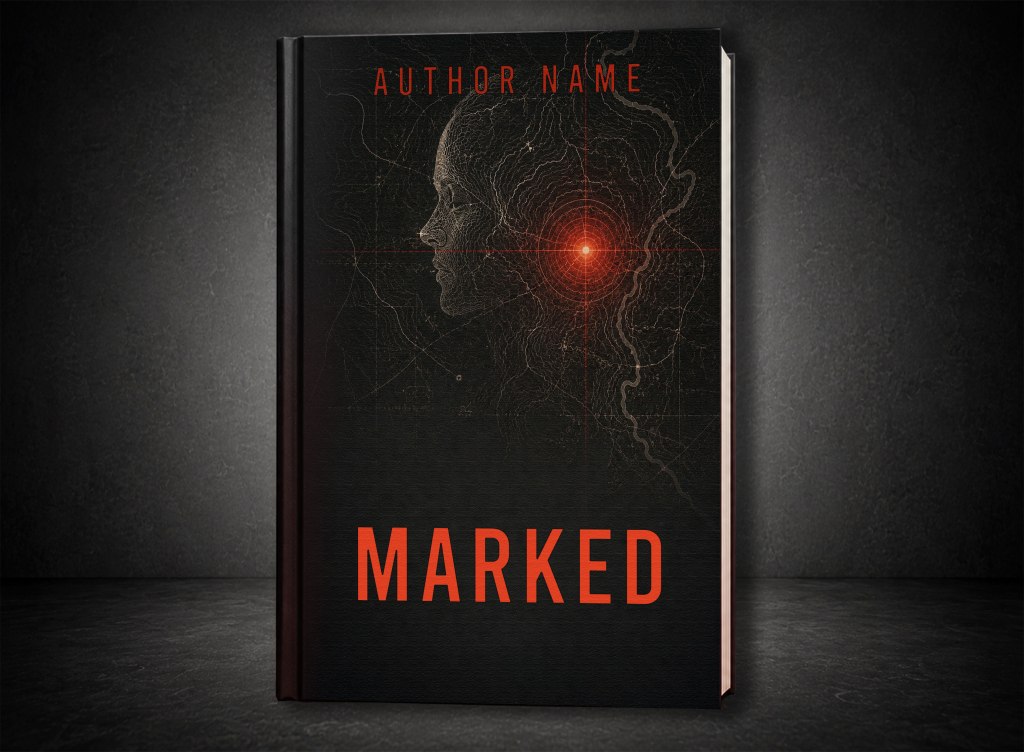
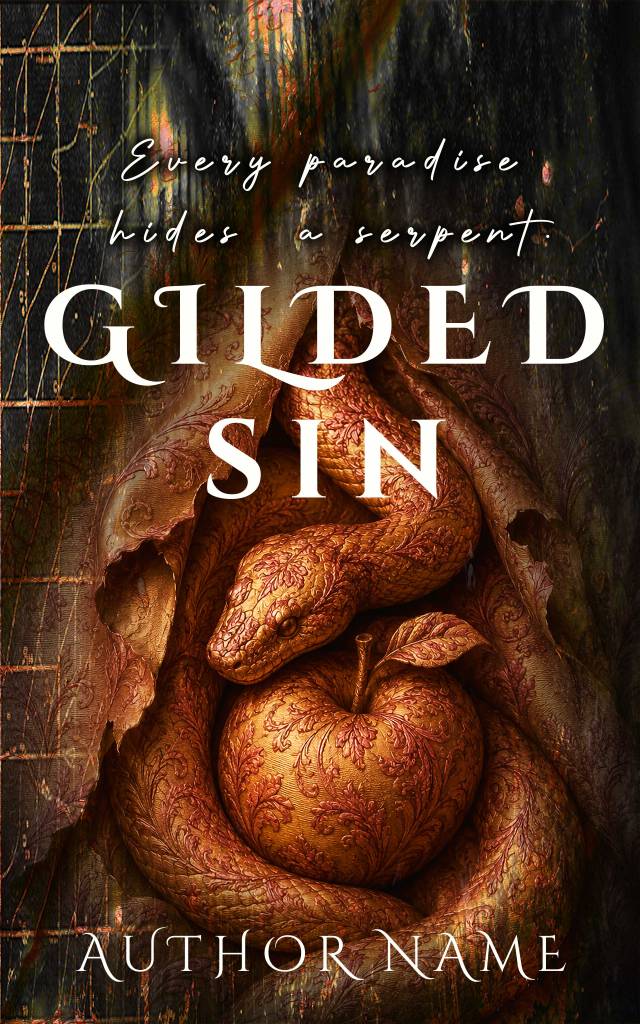
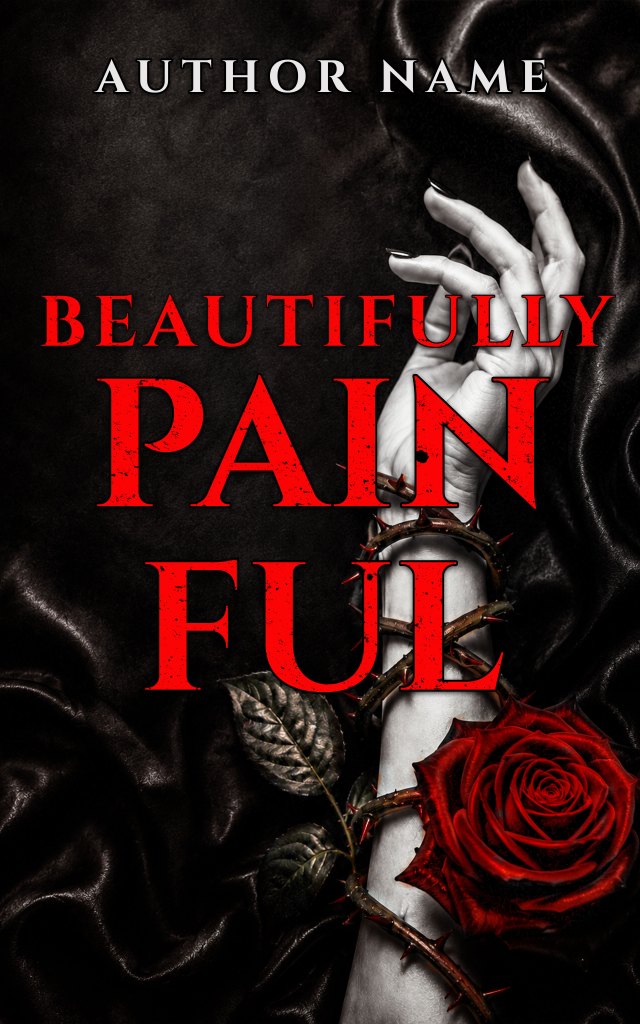
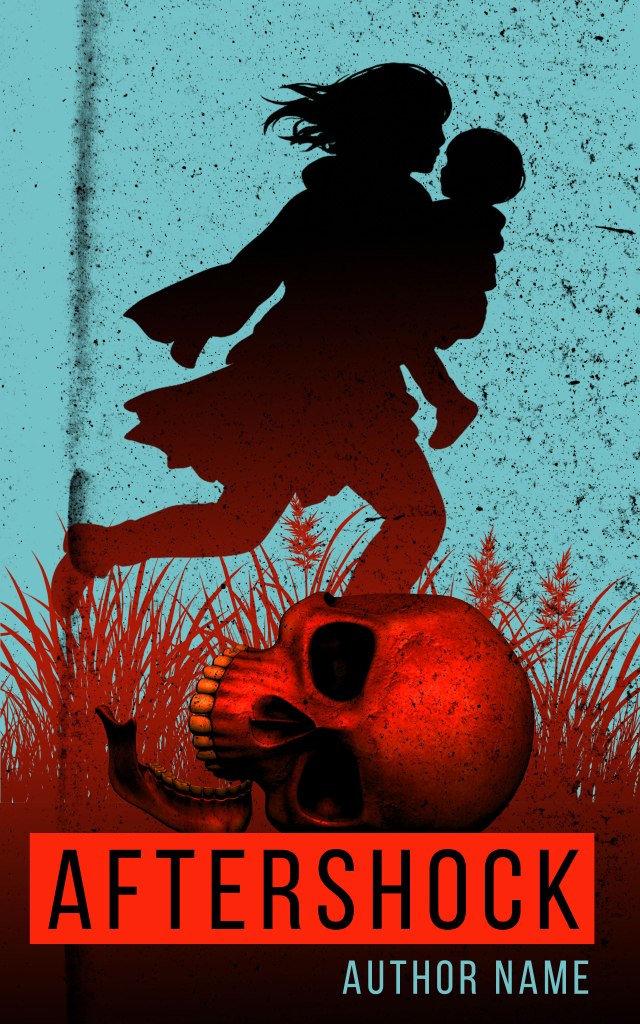
At BoN Editions, you’ll find exclusive premade book covers designed to give your novel a distinctive visual identity.
Each cover is sold only once.
No two authors get the same design. And yes, the designer makes the creative decisions.
👉 Explore Exclusive Premade Book Covers at BoN Editions


Leave a Reply